
Sideways Action in Asian Dollar Pairs
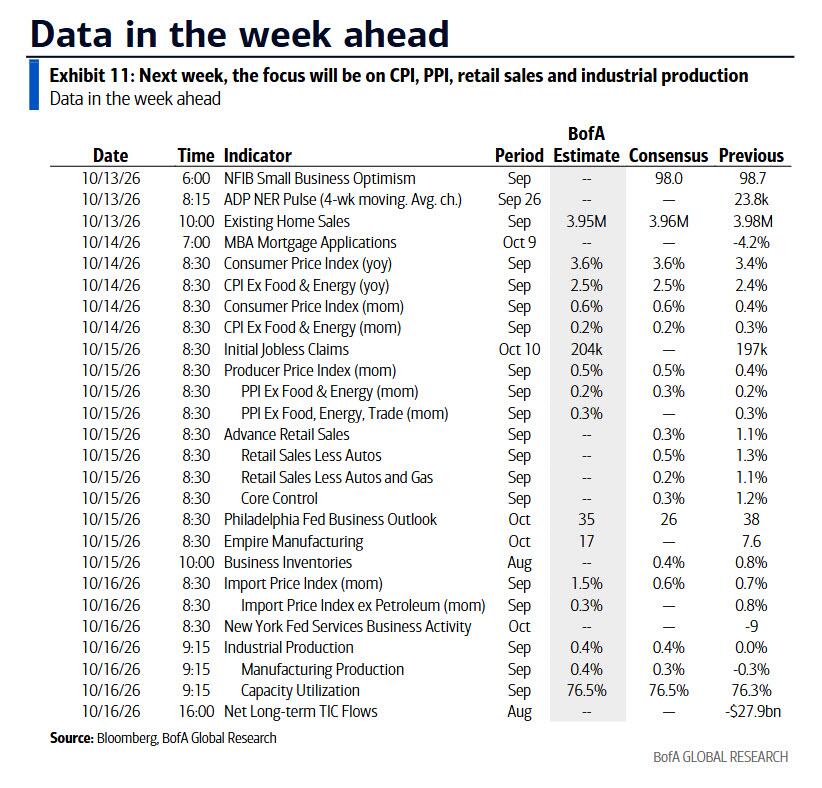
Asian currencies have been moving in a narrow, directionless band against the U.S. dollar in the session leading up to today's release of American inflation data. Rather than seeking new highs or lows, traders have largely stepped aside, letting the yuan, yen, won, and other regional currencies drift within a confined range. The consolidation reflects a common pre-data posture: with a major macroeconomic print due later in the day, many market participants have reduced their exposure to avoid being caught on the wrong side of a sharp move.
The Consumer Price Index report has become one of the most closely watched indicators on the U.S. economic calendar because it feeds directly into the Federal Reserve's inflation outlook and, by extension, expectations for the direction of interest rates. When rate expectations shift, the dollar tends to react quickly, and Asian dollar pairs are among the first to feel the pressure.
Why Traders Are Waiting on the Sidelines
The decision to flatten positions ahead of the CPI release is a risk-management move. Inflation figures that come in hotter or cooler than consensus can trigger rapid repricing across the dollar complex. Asian economies, many of which trade heavily with the United States, see their currencies sensitive to any change in the dollar's relative strength. A surprise in the data could therefore produce a swift, one-directional move that leaves those who are positioned on the wrong side with immediate losses.
By consolidating, the market is effectively compressing volatility into a tight window before the figure is published. Once the number hits the wire, that stored energy typically releases in the form of a decisive directional move, and the trading range that held for hours can break within minutes.
What to Watch After the Release
With the CPI data now imminent, the focus shifts to how the actual print compares with the consensus expectation. A stronger-than-expected reading would generally bolster the dollar and put downward pressure on Asian counterparts, while a weaker print could do the opposite. The magnitude of the deviation from forecast, rather than the absolute level, is what tends to drive the most immediate currency reaction. Until the number is confirmed, the flat, cautious tone in Asian dollar pairs is likely to persist.