
Market Snapshot
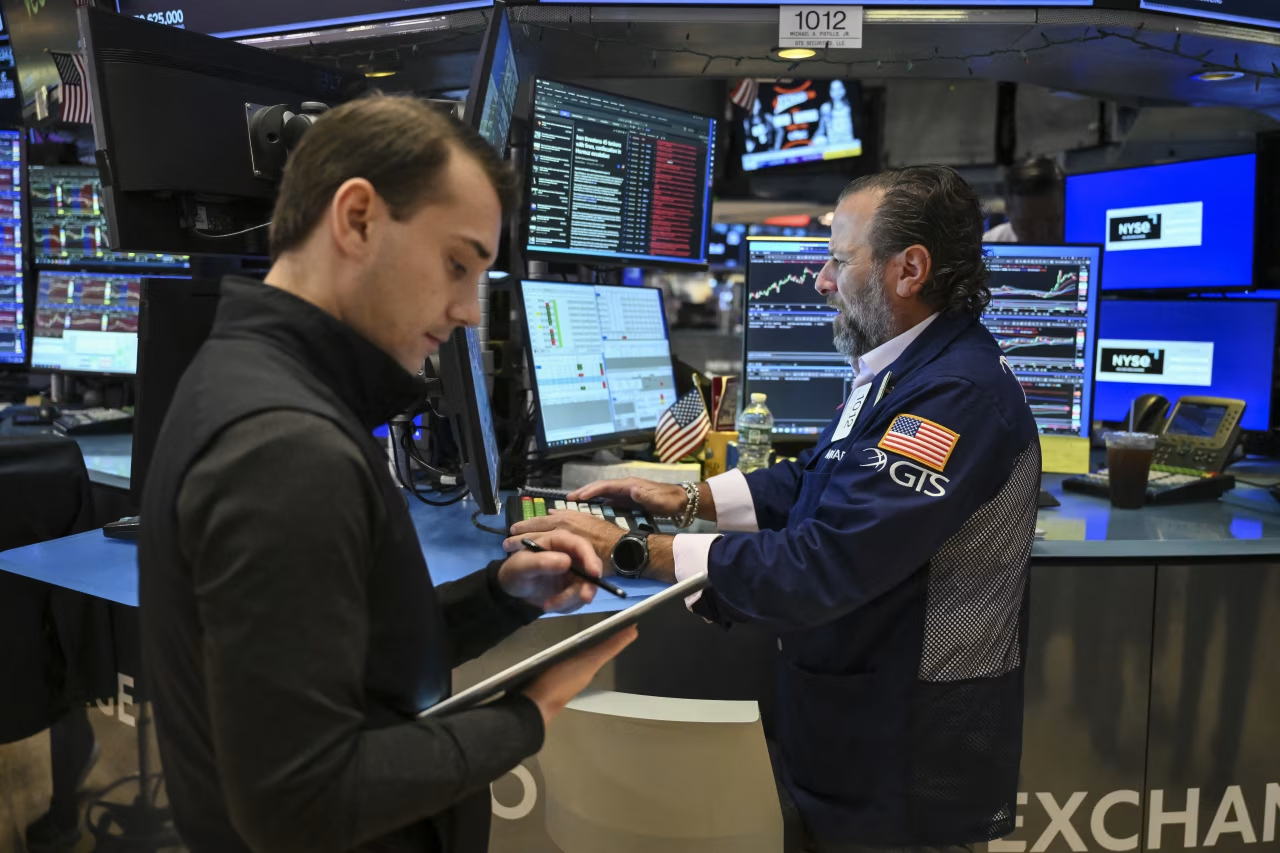
U.S. equity indices finished the trading session with a modestly positive tone. Broad-based strength across major indexes signaled a recovery in risk appetite after a period in which investors had grown more cautious about the financial footing of companies at the center of the artificial-intelligence buildout. Rather than a single sector driving the move, the gains were distributed across the market, reflecting a general easing of the anxiety that had weighed on tech-heavy portfolios.
AI Credit Worries Recede
The primary driver behind the session's positive drift was a noticeable retreat in bets against CoreWeave and a cohort of technology firms that have been aggressively capitalizing on the AI infrastructure boom. Over the preceding period, a segment of the market had grown concerned that these companies had overextended their balance sheets, taking on elevated levels of debt and operating commitments to keep pace with demand for GPU clusters, data-center capacity, and related compute resources. CoreWeave, in particular, had become a focal point for those skeptics, with traders questioning whether the revenue trajectory could sustain the level of capital expenditure the firm had undertaken.
During the most recent session, however, that bearish positioning was pared back. Investors who had been hedging or shorting exposure to AI infrastructure names appeared to unwind those trades, contributing to a broader lift in equity prices. The shift did not imply that all doubts had been resolved, but the intensity of the credit-related anxiety visibly moderated, allowing sentiment to stabilize.
Attention Pivots to Upcoming AI Earnings
With the credit-overhang narrative losing some of its urgency, market participants turned their focus to the next concrete catalyst: the slate of AI-related earnings reports on the horizon. The coming quarter's results from hyperscalers, semiconductor suppliers, and AI-native platforms are expected to provide fresh data points on whether the revenue growth underpinning the sector's valuations is holding up. For equity traders, the transition from a credit-risk framing to an earnings-driven one marks a shift from questioning whether AI companies can service their debt to assessing whether their top-line performance justifies current price levels.
The session's outcome underscores a recurring dynamic in AI-linked equities: periods of elevated capital spending can trigger credit-skepticism episodes, but the dominant driver of price action often reverts to earnings momentum once the fear cycle subsides. Investors watching the space will be monitoring both the quality of upcoming reports and any renewed commentary on balance-sheet leverage from the firms most exposed to AI infrastructure buildout.