
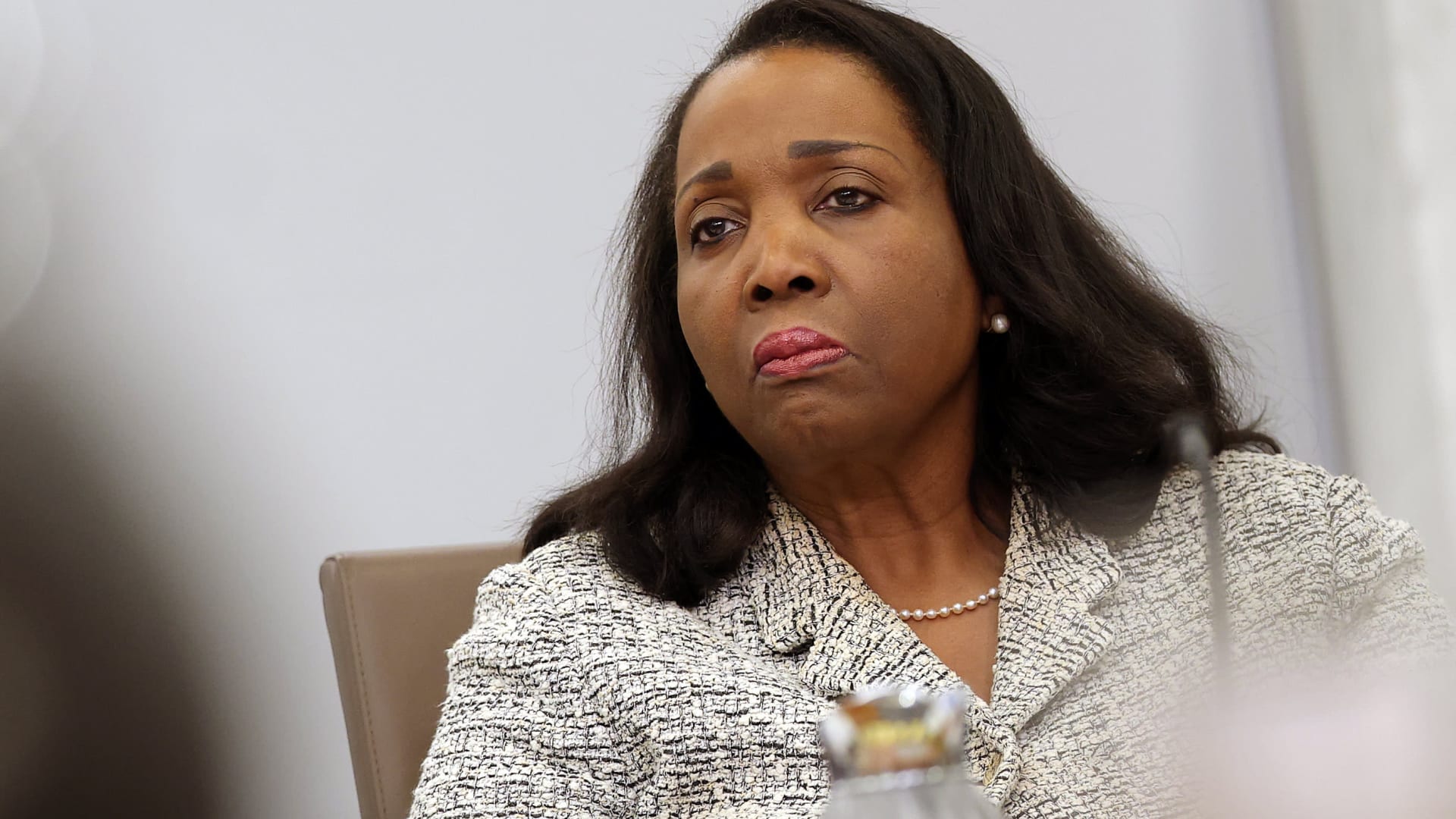
Hearing on Fed Governor Lisa Cook Moved to Dec. 14
A presidentially appointed special committee of inquiry, tasked with examining allegations that Federal Reserve Governor Lisa Cook submitted false information on mortgage applications, has set a new date for her appearance. According to a White House official who spoke on Wednesday evening, the session originally scheduled for Thursday has been postponed to December 14.
The rescheduling came at Cook's request, the official confirmed. Her attorney, Abbe Lowell, had raised concerns as early as last month, arguing that questions regarding the panel's impartiality and procedural fairness needed to be resolved before any testimony could proceed. Lowell also noted that Cook would be carrying out her official responsibilities as a Fed Governor at financial and monetary policy meetings in Europe, making a hearing before December logistically impossible.
It remains uncertain whether Cook will actually agree to sit for the rescheduled session.
Background of the Mortgage Allegations and Firing Attempt
President Donald Trump established the investigative panel in early October, directing it to look into claims that Cook provided inaccurate statements connected to "one or more mortgage instruments." Cook has consistently denied any improper conduct.
The dispute traces back to August 2025, when Trump attempted to dismiss Cook from the Federal Reserve Board of Governors. In the subsequent lawsuit challenging that move, Cook contended that the mortgage-related accusations were a pretext. Her legal team argued that the true motivation behind the firing attempt was her refusal to align her voting record with Trump's preference for lower interest rates.
Supreme Court Ruling and the Due Process Question
The panel was formed more than three months after the U.S. Supreme Court issued a ruling that, while keeping the case open, effectively blocked Trump from removing Cook at that time. The Court upheld a lower court injunction that barred her termination while the legal challenge proceeds.
Critically, the Supreme Court did not issue a definitive ruling on whether a president possesses the authority to remove a Fed board member outright. Instead, the justices determined that the initial attempt failed on procedural grounds: Cook was not afforded the due process necessary to contest her dismissal.
Strategic Implications for the Committee's Role
Observers note that the very existence of Trump's committee of inquiry may serve a specific legal purpose. By providing Cook with a formal forum to present her side of the mortgage allegations, the administration could argue to the Supreme Court that she has now been granted the due process that was absent during the original firing attempt. If that argument gains traction, it could reshape the legal landscape governing presidential authority over Federal Reserve leadership, with far-reaching consequences for central bank independence and, by extension, global financial markets.