
Asian Equities Rally on Easing Rate Hike Fears
Asian equity markets closed in positive territory as traders digested a softer-than-expected US jobs report. The weaker employment numbers reduced the perceived urgency for the Federal Reserve to continue its pace of rate increases, and that shift in expectations was enough to lift risk appetite across the region. For investors who had been pricing in a sustained tightening cycle, the data offered a welcome reprieve and prompted a rotation back into growth-sensitive equities.
Oil and Bonds: Mixed Signals in the Broader Tape
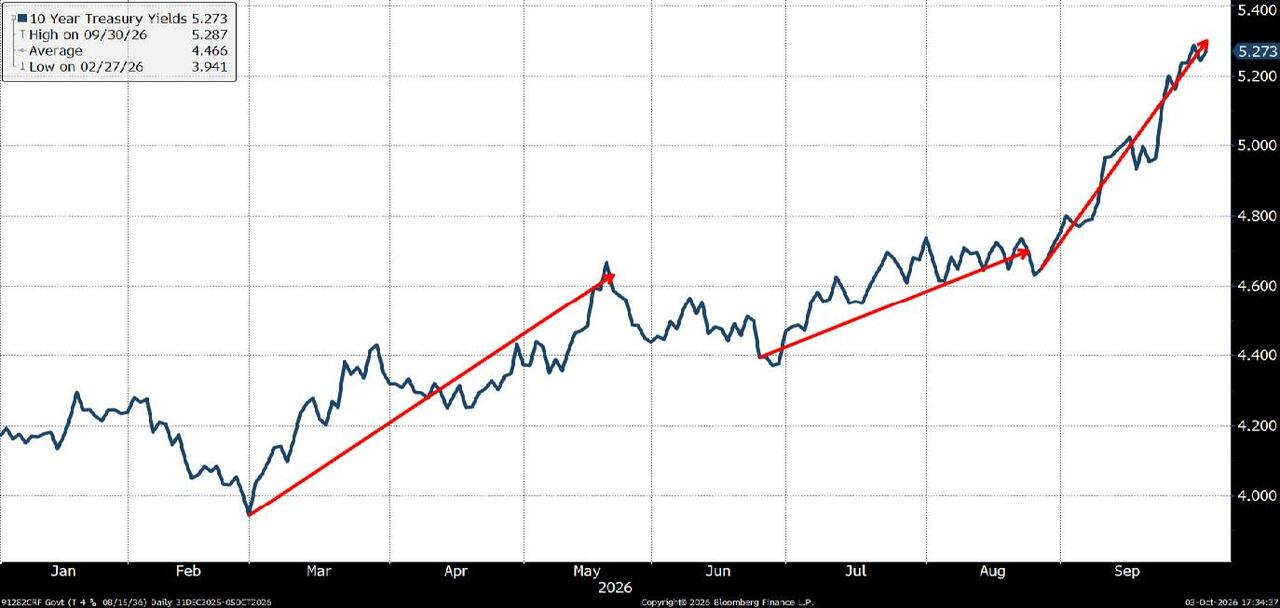
The broader market picture was more nuanced. Crude oil briefly traded higher in the opening period but quickly gave back all of those early gains, ending the session essentially flat. Meanwhile, government bond prices edged upward, reflecting the same logic that supported equities: if the Fed is less likely to keep hiking, longer-duration fixed income becomes relatively more attractive.
What It Means for Forex Traders
For those trading currency pairs, the headline takeaway is straightforward. A Fed that appears less committed to aggressive rate increases tends to weigh on the US dollar, since the interest-rate differential that underpins USD strength narrows. Traders watching the major pairs should expect heightened volatility in the sessions that follow any employment print, as market participants rapidly repriced their expectations for the next rate decision.
From a broker-selection perspective, this type of macro-driven move underscores the importance of having access to liquid, tightly spread instruments during data releases. Spread widening and execution slippage can erode a trade's edge when the market moves quickly on a single headline. Traders should confirm with their forex broker that their platform maintains reliable order routing and transparent spread conditions during high-impact US data events, including jobs reports.
The episode also highlights a recurring theme for retail and institutional forex participants alike: the single most powerful driver of short-term currency moves is rarely the underlying economic data in isolation, but rather the gap between that data and what the market had already priced in. When the surprise is modest, as it was here, the directional impact on pairs is typically contained, but the volatility spike around the release can still create both risk and opportunity for active traders.
In summary, the session reinforced a familiar dynamic in the forex world: when the Fed's tightening outlook softens, the dollar tends to lose ground, risk assets including Asian equities find support, and bond yields drift lower. Traders who position their accounts with brokers offering robust data feeds, competitive pricing, and solid risk-management tools are best equipped to navigate these recurring repricing events.