
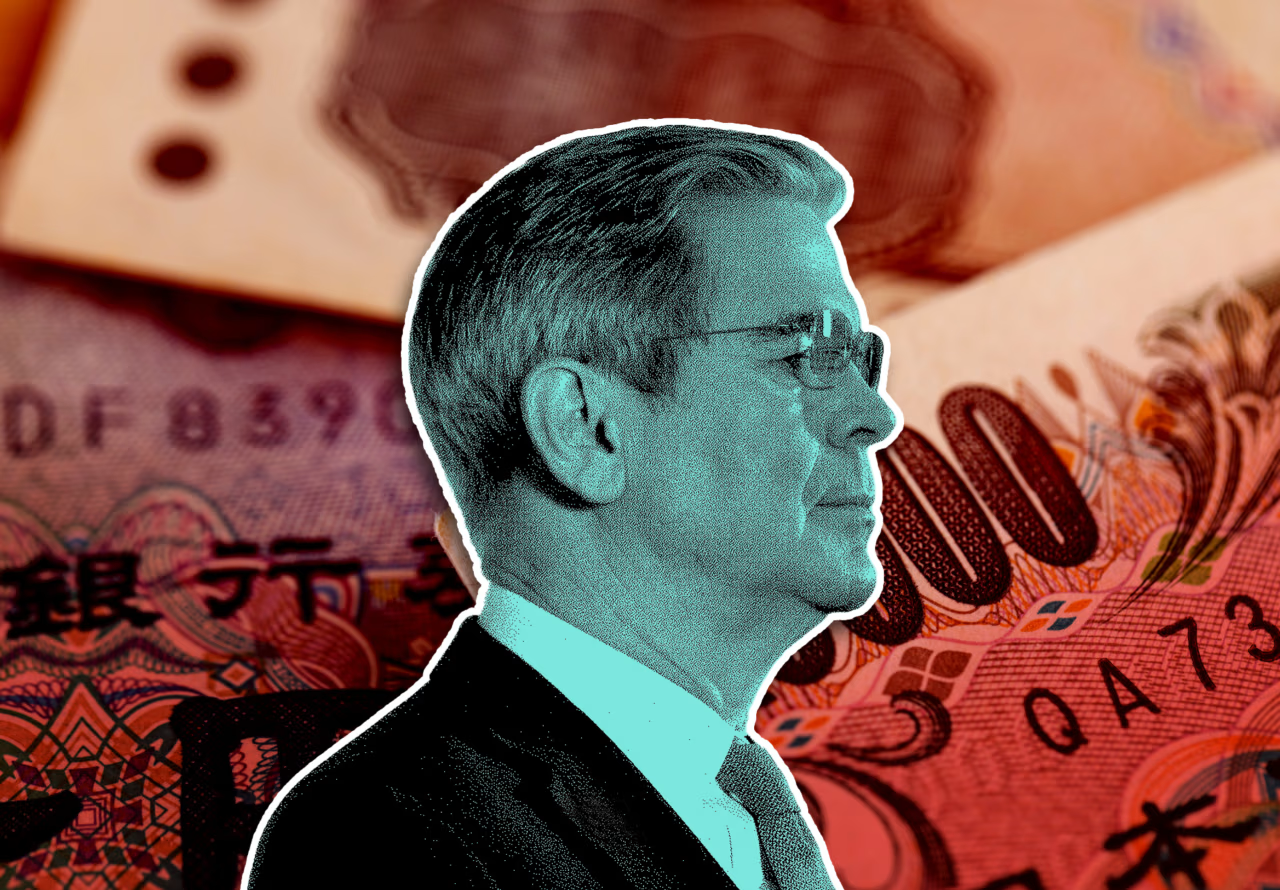
Yen Enters a Quiet Trading Session
The Japanese yen spent much of the session consolidating its position, moving in a narrow band against the U.S. dollar as well as the broader group of major currencies. Rather than showing a decisive directional bias, the G10 currency oscillated within limited ranges, reflecting a market that appeared to be waiting for a catalyst before committing to a new trend.
Traders on both sides of the currency pair opted for a cautious stance, keeping position sizes modest and allowing the yen to drift without establishing a clear breakout in either direction. The overall tone of the session was one of patience rather than momentum.
Focus Shifts to BOJ Governor Masu's Upcoming Address
The primary driver behind the subdued yen action was the scheduled speech by Kazuyuki Masu, a member of the Bank of Japan's policy board. Masu, who has served as the BOJ's governor, was expected to deliver remarks later in the day, and market participants broadly treated the event as a potential source of fresh guidance on the central bank's monetary policy trajectory.
Because Masu occupies the top policy-making role at the BOJ, his comments carry significant weight in shaping expectations around the timing and pace of any future rate adjustments. Traders and analysts typically listen closely to such speeches for clues about the board's internal consensus, particularly regarding inflation outlook, labor market conditions, and the appropriate level of monetary easing.
What the Market Is Watching For
Ahead of the address, the yen's consolidation suggested that dealers had largely priced in the status quo, with no major repricing of rate expectations visible in the currency complex. The lack of directional movement implied that participants were unwilling to take on meaningful yen exposure until they had digested the specific wording and tone of Masu's remarks.
Once the speech concluded, attention was expected to shift rapidly, with the yen potentially retesting nearby support or resistance levels depending on whether the governor's language signaled a more hawkish or dovish tilt relative to prevailing market expectations. Until that moment, however, the yen remained firmly in holding-pattern mode across all major cross-rate pairs.