Gold Holds Ground Amid Geopolitical Ambiguity
Gold steadied its position after a recent pullback, with the metal refusing to extend losses even as broader risk sentiment wavered. The primary driver behind the price action was a wave of conflicting signals regarding diplomatic efforts to bring the Iran war to a close. Rather than delivering a clear resolution or, conversely, an unambiguous escalation, the latest messaging from relevant parties has muddied the picture, leaving markets without a definitive geopolitical read.
For traders active in precious metals and currency pairs, the lack of clarity is the central theme. When headlines alternate between optimism about a potential ceasefire and warnings of renewed hostilities, volatility tends to compress rather than spike, and gold often consolidates in a narrow range as investors await a decisive catalyst. The current session's price action — a decline that was arrested rather than accelerated — fits that pattern precisely.
Inflation and the Fed: A Two-Way Street
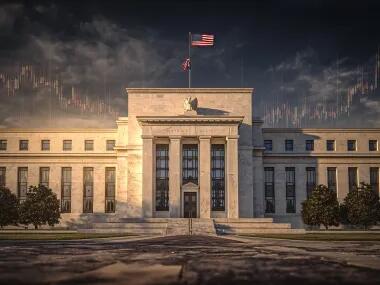
The geopolitical uncertainty feeds directly into the macro narrative. A prolonged or escalating Iran conflict carries the risk of sustained energy-supply disruptions, which would feed through to consumer prices and, in turn, complicate the Federal Reserve's approach to interest rates. Conversely, a credible and lasting end to hostilities would likely ease inflationary pressures, potentially opening the door for a more accommodative Fed stance.
Because the signals coming out of the situation remain contradictory, neither scenario has fully priced in. The result is a rate outlook that remains genuinely uncertain, with the Fed's next moves hinging on data that is itself influenced by an ongoing geopolitical event. For forex traders, this translates into elevated sensitivity in dollar-based pairs: any shift in rate expectations can rapidly reprice the greenback and, by extension, cross-currency positions worldwide.
What Traders Should Watch
From a broker-client perspective, the key takeaway is one of patience and risk management. With the Iran situation producing mixed signals and the Fed's trajectory still open, position sizing and stop-loss discipline matter more than directional conviction. Traders should monitor:
- Diplomatic headlines for any single, unambiguous statement that could break the current stalemate and force a repricing of inflation expectations.
- Fed communications for language that adjusts the probability weighting of rate cuts versus holds in response to the evolving geopolitical backdrop.
- Energy market reactions, since oil and gas prices are the transmission channel through which the Iran conflict most directly affects inflation and, ultimately, monetary policy.
Until the dust settles, gold's role as a geopolitical hedge remains in play, but the absence of a clear direction means range-bound trading is likely to dominate. For forex and metals traders alike, the prudent course is to stay positioned for volatility in both directions rather than leaning heavily on a single geopolitical outcome.
